When you hand a child or toddler to a babysitter, you are trusting them with the most breakable version of a person. Moms and dads really feel that weight naturally. Specialist nannies feel it on duty every single day. Yet lots of carers still count on luck and uncertainty in emergency situations, because proper first aid training really feels too slow-moving, as well costly, or too difficult to schedule.
Express CPR and first aid courses exist to link that void. When designed well, they provide concentrated, high‑impact abilities fast, without turning into a superficial checkbox exercise. When created badly, they create the impression of security with extremely little compound underneath.
I have actually trained enough sitters and baby-sitters to see both ends of that spectrum. What complies with is a sensible guide to what an express childcare first aid course need to appear like, which shortcuts are safe and which are not, and how family members and carers can work together to make certain those new skills really stick.
Why fast training for childcare truly matters
The emergency situations that occur around youngsters are rarely significant in the beginning look. A young child puts something in their mouth and goes silent. A baby in a bath seat slips less than you become aware. A preschooler with a known peanut allergy starts to impulse and coughing throughout a birthday celebration party.
In each of those situations, the difference in between "I believe they're fine" and "I know what to do now" is determined in seconds.
For paediatric cardiac arrest, brain injury can begin within 3 to 4 minutes without efficient CPR. Rescue response times differ widely. In several residential areas and regional locations, waiting 10 to 15 minutes prevails. That gap belongs to whoever is standing closest to the child, often a babysitter or nanny.
That is why a fast first aid course or express CPR training is not a nice reward for childcare workers. It is a core safety control, right along with smoke detector and secured cleaning products.
What "express" ought to and must not mean
The word "express" in training can conceal a whole lot. I have actually seen whatever from a focused three‑hour paediatric CPR course that changed exactly how a nanny approached her job, to a 60‑minute online slideshow with a printable "fast certification" at the end and no analysis at all.
A reputable express first aid course or express CPR course does 3 things well.
First, it narrows the extent to what the learner really needs. A teen doing their first babysitting work does not call for the same deepness of expertise as a paramedic. They do require high‑confidence skills in CPR, choking, drowning, fundamental trauma and allergic reactions.
Second, it compresses delivery, not practice. The theory component can be streamlined making use of pre‑course reading, brief videos, or combined knowing. The hands‑on CPR training and circumstance work, however, can not be rushed to the factor where students barely touch the manikins.
Third, it evaluates capability honestly. A proper express first aid training session still consists of sensible checks. The trainer watches each student gone through CPR, choking, recuperation position and various other core actions with adequate repetition that muscle memory begins to form.
If an express cpr course assures to have you "in and out" in under an hour with a full first aid certificate, treat that as a warning sign, not a selling point.
The genuine threats sitters and baby-sitters face
When parents ask me, "What emergencies do you see most with young youngsters?", they generally expect tales about stunning trauma. Autumns from trees, auto accident, dramatic rescues.
Those occasions occur, but they are rare in domestic childcare. What turns up time and again in homes and play grounds looks very various:
A sitter I educated when came back for a fast cpr correspondence course noticeably drunk. She had been caring for an 8‑month‑old who began coughing throughout a feed, after that went silent, with milk gurgling from the nose. Due to the fact that she had actually practised infant choking drills in a first aid and cpr course simply weeks prior to, she acknowledged the change from noisy to quiet, utilized back strikes correctly, and removed the airway prior to the moms and dads even got to the area. She informed me later on that without that current express cpr training, she would probably have attempted to "scoop" the mouth with her fingers and risked pushing the clog deeper.
These are not abstract dangers. They match what emergency divisions see every day.
Non negotiable skills for an express child care first aid course
A good express childcare first aid course does not try to cover every topic under the sun. It concentrates hard on the events that are both typical and high‑consequence. In method, that should include at least the following:
Child and infant CPR Choking recognition and alleviation for children and kids Drowning action and safe rescue methods in home settings Severe allergies, including auto‑injector usage Basic bleeding control, head injuries and when to call an ambulanceSome courses include seizures, burns and poisoning basics within the exact same fast first aid framework. That is suitable if time enables. If you are comparing fast first aid courses, take note not simply to how long the class runs, however to just how much purposeful web content rests inside those hours.
How express CPR training is various for children
Standard grown-up CPR courses collaborate with a full‑sized manikin and concentrate on chest deepness, compression price and defibrillator usage. These items still matter for older kids, yet carers of babies and kids need extra, extremely details skills.
The details can feel small, yet they are important. The depth of compressions for a child, for instance, is about one third of the chest depth, generally accomplished with 2 fingers as opposed to 2 hands. Mouth‑to‑mouth becomes mouth‑to‑mouth‑and‑nose for infants. The sequence of back impacts and chest thrusts for choking infants is different from the stomach thrusts commonly educated for adults.
In an express childcare first aid training session, this paediatric emphasis must control the schedule. If the teacher spends most of the class on grown-up situations and only tacks on a quick "and right here's what's different for children" at the end, the concerns are backwards.
Ask directly whether the course is a paediatric‑specific express cpr training or a common class with a brief child segment bolted on. The difference reveals when you are stooping close to a high chair, heart battering, attempting to bear in mind what to do.
Balancing rate and deepness in fast first aid courses
There is a natural stress between fast first aid and comprehensive first aid training. Parents want caretakers certified before following weekend break. Baby-sitters functioning long days require courses that suit rare day of rests. Training suppliers need to cover nationwide competencies within taken care of hours.
From what I have seen, the most effective express first aid courses make use of a combined model:
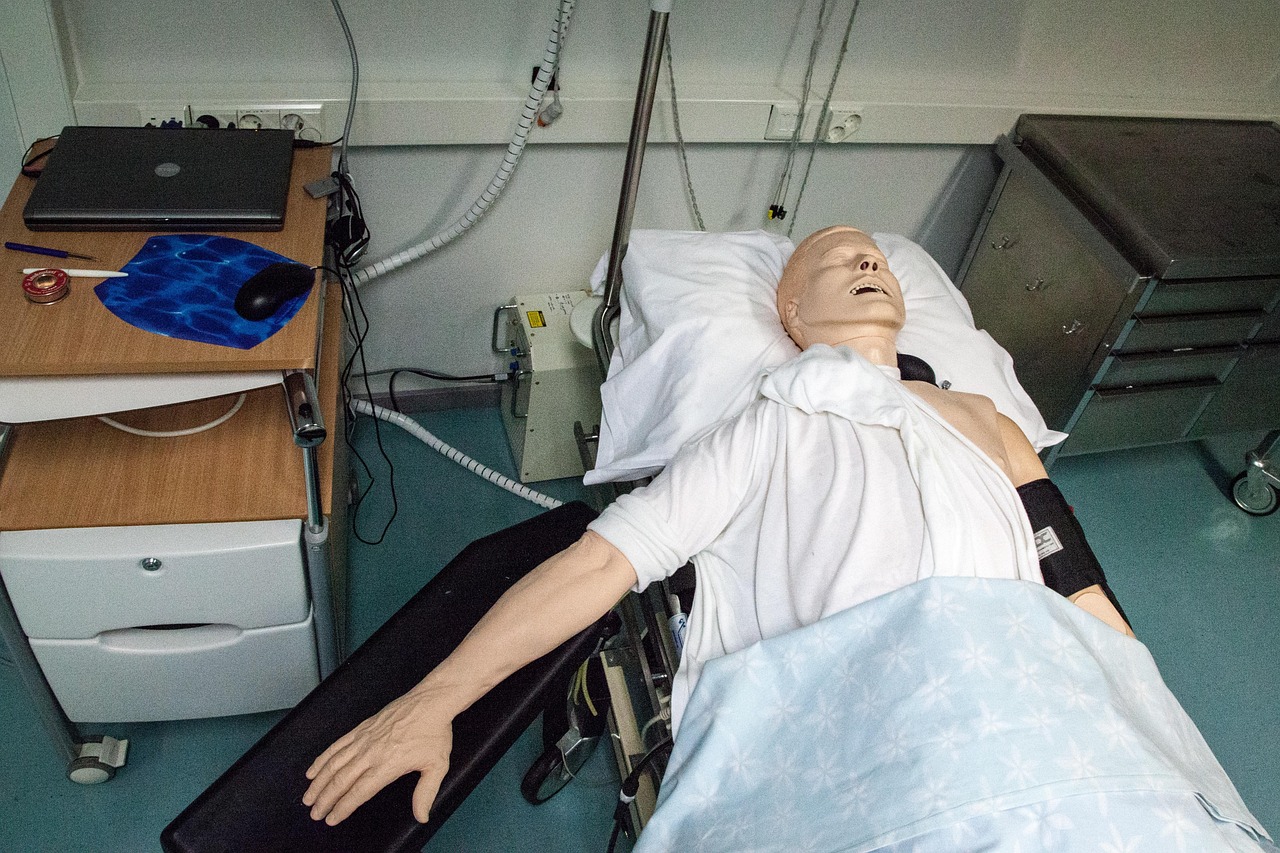
Classroom or practical session time concentrates almost totally on hands‑on work: compressions, breaths, choking drills, auto‑injector practice, and realistic childcare scenarios.
Theory, such as identifying indications of shock, comprehending standard anatomy, or learning the distinction between a light and serious allergy, is shifted to pre‑course analysis or interactive modules. Pupils full this "fap first aid" style structure by themselves gadget prior to transforming up.
That structure values the point of a fast first aid course near me or near you. You spend your in‑person time on the items that can not be shown through message. It likewise implies carers show up with even more context and far better questions.
If you come across "fast first aid training" that is completely lecture‑based, no technique, and https://landensrrl141.timeforchangecounselling.com/the-busy-parent-s-guide-to-fast-first-aid-and-cpr-training still asserts to prepare babysitters for real emergency situations, you are checking out a box‑ticking workout, not a security investment.
Online, in‑person and blended: what jobs best for childcare
Online learning has gained its area in the first aid world. I have seen shy teenagers become even more comfy with the essentials after an excellent online component, due to the fact that they could stop, rewind and take notes without really feeling watched.
However, for CPR training and choking action, responsive learning matters. The first time you know how much pressure it really requires to press a kid manikin to the proper deepness, it re-wires your feeling of what "company" means.
For babysitters and nannies, the most reputable combination is:
Online or self‑paced part that covers theory, legal responsibilities, infection control and standard recognition of illness.
Short, express in‑person part focused on CPR courses web content, choking alleviation, allergic reactions, drowning and injury circumstances, with lots of time for questions.
When you search for first aid and cpr training classes or "fast cpr courses" in your area, seek that blended design rather than a single short Zoom call. If you must pick purely on-line for logistical factors, commit to regular, intentional exercise with a loaned or leased manikin, and rejuvenate even more often.
What a practical express childcare first aid course day really feels like
Parents in some cases picture first aid training as a day spent sitting in rows, looking at slides. A good express childcare first aid course really feels extremely different.
The energy is functional. After a short safety quick, the trainer usually establishes expectations plainly: trainees will be on the flooring, relocating, exchanging duties between "rescuer" and "parent", and duplicating strategies a number of times.
In a 3 to 4‑hour express first aid course concentrated on child care, you can expect:
Short theory bursts followed by instant method. For example, two mins clarifying the distinctions in paediatric CPR, after that directly to the manikins.
Scenario based understanding. A person role‑plays a toddler that has actually started choking at lunch. Another student plays the caretaker. A 3rd plays the distressed moms and dad on the phone with emergency solutions. This is where individuals actually understand how tension hazes memory.
Real stories and reasoning telephone calls. Good teachers share near‑misses and errors as well as book instances. You learn not only the formula, but exactly how it damages down when a toddler's sibling is yelling nearby.
Honest responses. Compression depth as well shallow? Hands in the wrong spot on the infant chest? Recovery position leaving an airway partially obstructed? These information obtain fixed in the area, before they matter for real.
Babysitters often show up worried, especially teens doing their initial major grown-up course. Most leave even more positive, however additionally a lot more considerate of the responsibility they lug. That shift alone alters just how they come close to risky minutes, such as bath time or mealtimes.
Choosing the appropriate express cpr course as a moms and dad or employer
Not all first aid courses are developed equal, and "express" branding provides cover for both exceptional and horrible programs. A few pointed questions typically expose which you are dealing with.
Here are functional inquiries to ask any type of company prior to scheduling an express child care first aid or express cpr course:

Reputable companies will respond to these conveniently and transparently. If the feedbacks are vague, or you notice pressure to enlist swiftly without details, maintain looking. There are a lot of fast first aid courses that value both your time and your child's safety.
How usually needs to sitters and nannies rejuvenate CPR skills?
Skills fade. Not just understanding, but the tiny, physical routines that matter in a crisis. Exactly how much to turn a child's head. How difficult to press. Just how to kneel in such a way that lets you keep opting for greater than one minute.
Most standards recommend refreshing CPR each year and doing a full first aid and cpr course every three years. For child care workers, I usually encourage much shorter intervals if possible.
Babysitters who just function occasionally usually gain from express cpr courses every year that are intentionally short and focused. A 90‑minute fast cpr correspondence course on paediatric CPR and choking can bring those physical skills back to the surface area without calling for a full day of rest institution or work.
Professional baby-sitters who are the primary daytime carer may want even more than that. A mix of one full first aid and cpr course cycle and one express childcare first aid training rejuvenate in between provides a strong baseline over a number of years.
If price is a barrier, families can help. Lots of parents enjoy to divide the price of fast first aid training with their normal sitter, or cover it entirely, once they know exactly how straight it shields their child.
Integrating training with the details kid and household
No express first aid course, however well developed, can cover the one-of-a-kind mix of risks in every home. Medication in shower room drawers. Swimming pools without fences. Siblings with rough play behaviors. Pets that overturn toddlers.
The most reliable setups I see constantly pair formal first aid training with an organized conversation in the home. Ideally, that conversation occurs throughout a handover in between moms and dad and sitter, not yelled on the doorstep 5 mins before departure.
Topics worth covering include:
Where first aid supplies and any child‑specific medications are kept, first aid and cpr Darwin and what carers can and can not administer.
Which neighbors or nearby relative recognize the child and can be employed enhancement to emergency services.
Pool, bath and sleep security regulations, such as never ever leaving a kid alone in or near water, and safe sleep positions.
Allergies, asthma strategies and any type of various other appropriate case history, with composed instructions and medical professional contact details.
How the household expects carers to balance "call us initially" versus "call a rescue first". In a true emergency, there is seldom time to debate this.
An express childcare first aid course offers sitters and baby-sitters the tools. The house briefing shows them where to use those tools and where the covert traps lie.
Legal and psychological aspects that training rarely covers
Most fast first aid courses, especially express first aid courses customized to non‑clinicians, do a good job on useful skills. They commonly skim 2 areas that matter a great deal for sitters and baby-sitters: lawful comfort and emotional fallout.
On the lawful side, babysitters often think twice to start CPR or make use of an EpiPen because they bother with "doing it wrong" and being condemned. In lots of territories, "do-gooder" protections exist for laypeople acting in excellent belief, however the information vary. While a first aid instructor can not supply lawful advice, they ought to at the very least review authorization fundamentals, acting within your training, and the solid assumption from both health solutions and families that you act, instead of freeze.
Emotionally, managing a real emergency involving a kid you care for is extreme. Even when everything goes right, carers might experience regret, stress and anxiety or headaches. A handful of mins in an express cpr training session invested normalising those responses can make it less complicated for caretakers to look for assistance if something does happen.
I still remember a nanny that carried out CPR on a 3‑year‑old after a near‑drowning in a yard pool. The kid endured without any enduring injury. The baby-sitter, nevertheless, invested months terrified of bathroom time, also for herself. Her remorse was not the event itself, which had multiple adding elements, yet that nobody had prepared her for just how heavy success could feel. Training can not get rid of that, yet it can call it and make it simpler to carry.
When a fast first aid course is not enough on its own
Despite their value, express first aid and express cpr courses are not magic. Some situations require much deeper training.
Live in baby-sitters taking care of babies with intricate medical histories, such as heart conditions or chronic lung condition, require comprehensive, child‑specific education and learning from healthcare providers. A public first aid course can not replace that.
Families with swimming pools, trampolines, ranches or regular traveling to remote areas have threat profiles that go beyond a regular suv home. In those cases, extra modules on sinking avoidance, spine safety measures, snakebite or remote‑area first aid may be appropriate.
Babysitters in charge of groups of kids, such as at celebrations or informal holiday treatment, must consider much more extensive first aid courses that attend to crowd administration, evacuation and multi‑casualty prioritisation.
Fast first aid courses beam when they professional CPR first aid courses belong to a split safety and security strategy: safe physical atmosphere, alert guidance, clear house policies, and strong, up‑to‑date emergency situation skills.
Making express CPR and first aid component of your regular child care culture
The most effective change I see in households and nanny arrangements is when first aid and CPR stop being a one‑off difficulty and enter into the regular language of care.
Parents begin asking possible caretakers not just, "Do you have a first aid certificate?" but "When did you last do a fast first aid course?" and "Are you comfy with baby CPR?" Babysitters start to list "express child care first aid course finished, refresher due following June" on their profiles, the method they would provide driving permits or childcare qualifications.
Nanny agencies build express childcare first aid courses and first aid and cpr training classes into their onboarding, as opposed to treating them as optional extras. Some also organize team express first aid training days that fit around shift patterns, making it simpler for employees to attend.
None of this gets rid of threat completely. Childhood entails falls, splashes, experiments and shocks. What appropriate express cpr courses and fast first aid training do offer, nevertheless, is a practical chance that the adult in the space will certainly understand what to do when the uncommon, severe minutes arrive.
For sitters and nannies, that expertise is an expert asset. For parents, it is just one of minority items of peace of mind that can be earned rather than really hoped for.
